
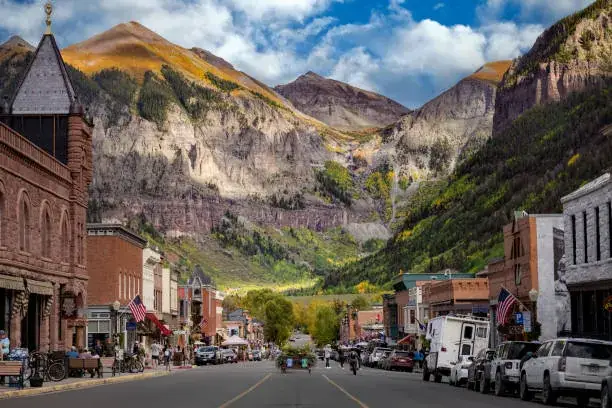
Refinancing a Colorado second home follows a specific set of rules — mostly favorable, if the property is genuinely personal-use. Second-home financing prices better than investment-property financing but tighter than primary-residence financing.
Second home vs. investment property — the classification matters
A second home must be:
- Owner-occupied for some portion of the year
- Suitable for year-round occupancy
- Rented for no more than 14 days per year (the "14-day rule")
- Not subject to rental pool or management agreements that require rental
If the property is rented more than 14 days annually, most lenders will re-classify it as an investment property, which changes rate, LTV limits, and reserve requirements. If you plan to STR the home, look at DSCR refinance Colorado instead.
Second-home refinance terms
- Rate-and-term LTV: up to 90%
- Cash-out LTV: up to 75–80%
- FICO: 680+ typical, 700+ for best pricing
- Reserves: 2–6 months PITIA on the second home, plus 2 months on each additional financed property
- Debt-to-income: typically 43–45%
- Jumbo second-home programs: available for balances above county conforming limits
Common Colorado second-home markets
Telluride, Vail, Aspen, Snowmass, Beaver Creek, Steamboat Springs, Breckenridge, Frisco, Silverthorne, Keystone, Crested Butte, Winter Park, Estes Park, Pagosa Springs — most Colorado mountain resort towns have significant second-home ownership.
FAQs
What LTV can I get on a Colorado second-home refinance?
Rate-and-term second-home refinance goes up to 90% LTV. Cash-out is capped at 75–80% LTV depending on program and FICO.
How does a second home differ from an investment property?
A second home is a personal-use property that you occupy for some portion of the year and rent for no more than 14 days annually. An investment property is one you own primarily for rental income. Second-home financing usually prices better than investment-property financing.
Do second-home refinances require reserves?
Yes — typically 2–6 months PITIA on the second home plus 2 months on each additional financed property. Jumbo second-home loans require more reserves (6–12 months).
Can I refinance a Colorado mountain cabin as a second home?
Yes, as long as it's your personal-use second home and rented for no more than 14 days per year. If you rent it more than 14 days annually, the lender will classify it as an investment property and price it accordingly.
Related: Jumbo refinance Colorado · DSCR refinance Colorado · Refinance Colorado hub