
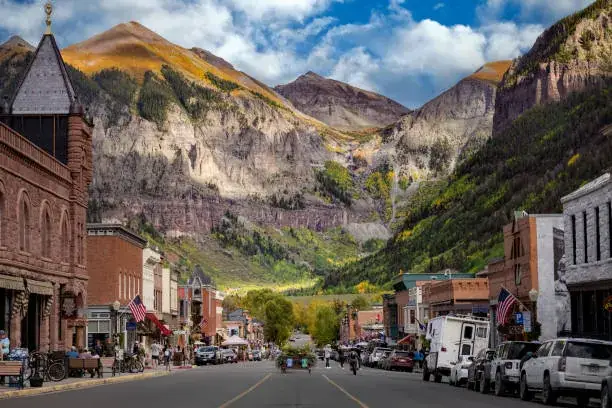

Colorado attracts real estate investors for two very different reasons: the steady long-term rental demand of the Denver metro area and the premium short-term rental income potential of mountain markets like Breckenridge, Steamboat Springs, and Telluride. These two strategies require different financing structures, different property types, and different risk tolerance — and the right choice depends on your goals, capital, and how much active management you want to do.
Strategy 1: Buy-and-Hold Long-Term Rental (Denver Metro / Front Range)
Best Markets
- Aurora, Commerce City, Brighton: starter SFRs ($400,000–$480,000), strong tenant demand, 5–7% gross rents
- Greeley, Pueblo: lower entry points ($280,000–$360,000), high yield markets; economic risk from single-employer dependency
- Colorado Springs: military tenant base (Fort Carson, Peterson SFB), stable demand, $380,000–$480,000 entry
- Longmont / Loveland: tech and biotech employment, low vacancy, $440,000–$540,000 SFRs
Typical Financial Profile (Aurora Example)
| Item | Amount |
|---|---|
| Purchase price | $450,000 |
| Down payment (25%) | $112,500 |
| Loan amount | $337,500 |
| Rate (investment, 30-yr fixed) | ~7.25% |
| P&I | ~$2,303/month |
| Taxes + insurance | ~$400/month |
| Total PITIA | ~$2,703/month |
| Market rent (3/2 SFR) | ~$2,200–$2,500/month |
| Cash flow before maintenance | -$203 to +$203/month |
Front Range buy-and-hold is often near break-even or slightly negative on cash flow in 2026 — appreciation and equity paydown are the primary return drivers. Cap rates in Denver metro typically run 4.5–6.0%.
Financing for LTR Colorado
- Conventional investment property: 15–25% down, 620+ credit, DTI-qualified
- DSCR (long-term rent): property rental income qualifies you; no personal income docs needed
- Best for: investors who want portfolio growth over 10+ year hold periods
Strategy 2: Short-Term Rental in Mountain Markets
Best Markets
- Breckenridge / Summit County: 60%+ occupancy year-round (ski + summer), $3,000–$8,000/week peak season
- Steamboat Springs: strong shoulder seasons, diverse activities, growing STR market
- Telluride: ultra-premium; condos $1,500–$4,000/night; lower annual occupancy
- Glenwood Springs: I-70 access, year-round hot springs tourism, more affordable entry
Typical Financial Profile (Breckenridge Condo)
| Item | Amount |
|---|---|
| Purchase price | $750,000 |
| Down payment (20%) | $150,000 |
| Loan amount | $600,000 |
| Conforming limit (Summit Co.) | $1,092,500 ✓ |
| Rate (DSCR STR) | ~7.75% |
| P&I | ~$4,297/month |
| HOA + taxes + insurance | ~$1,500/month |
| Total carrying cost | ~$5,797/month |
| Estimated gross STR revenue | ~$80,000–$110,000/year |
| Management (25–30%) | ~$20,000–$33,000/year |
| Net revenue | ~$60,000–$77,000/year |
| Monthly net (pre-tax) | ~$5,000–$6,400/month |
Strong STR gross revenue can significantly outperform LTR yields — but the spread narrows after management fees, utilities, HOA special assessments, and income variability.
Financing for STR Colorado
- DSCR with STR income: some DSCR lenders use AirDNA/Mashvisor projections or 12-month actuals; requires 20–25% down
- Second home loan: 10% down if you'll personally use the property regularly (no STR income counted toward qualification)
- Investment property conventional: 25% down; long-term market rent used for DSCR (underestimates STR potential)
- Portfolio: best for non-warrantable condo buildings common in ski markets
STR Risks Unique to Colorado
- Local STR regulations: Breckenridge, Telluride, and some Summit County municipalities require STR licenses; some have caps on licenses or outright bans in certain zones
- Wildfire insurance: premiums rising sharply; some properties losing insurance coverage
- Condo warrantability: ski-in/ski-out condos often classified as condotels — require portfolio financing
- Market seasonality: shoulder season (April-May, October-November) can see 20–30% occupancy
Which Strategy Is Right for You?
| Factor | LTR (Denver Metro) | STR (Mountain) |
|---|---|---|
| Entry capital needed | $85,000–$150,000 | $150,000–$300,000+ |
| Monthly cash flow | Near zero to slightly negative | Potentially $1,000–$3,000+ net |
| Management intensity | Low (property manager 8–10%) | High (STR manager 25–30%) |
| Appreciation upside | Moderate (4–6%/yr historical) | Strong in supply-constrained markets |
| Financing complexity | Standard | More complex (warrantability, DSCR STR) |
| Regulatory risk | Low | Higher (STR ban risk) |
| Income stability | High | Seasonal variation |
FAQ
Can I use DSCR financing for an STR in Colorado? Yes — some DSCR lenders accept STR income projections from AirDNA. The product is widely available for Breckenridge, Steamboat, and Telluride properties with good STR track records.
What's the tax benefit of an STR vs. LTR? STRs where you materially participate may qualify for real estate professional status deductions (consult a CPA). LTRs follow standard Schedule E treatment. Both offer depreciation benefits.
Do I need an LLC? Not required but many investors prefer the liability separation. Financing in an LLC is easier with DSCR and portfolio products than with conventional.
Can I live in the mountain property part-time and rent it STR? Yes — but lenders will classify it as either a second home (no STR income for qualification) or investment property (DSCR/portfolio loan needed). Your actual rental income doesn't affect second home classification for financing purposes as long as personal use is documented.
Let's Build Your Colorado Investment Strategy
Whether you're acquiring your first Denver rental or financing a Breckenridge STR, I'll find the right loan structure for your plan.
📞 970-708-9624 | tj@taytoncapitalllc.com
Get Pre-Approved → | Contact Tayton Capital
Related articles
DSCR Loans for Telluride Vacation Rentals in 2026 — How It Works
How DSCR investor loans work for Telluride vacation rental properties. Qualify on rental income, not your W-2. Real numbers from the Telluride market.
Read articleBuying a Home in Mancos to Short-Term Rent Near Mesa Verde (2026)
How to finance a Mancos, CO property as a Mesa Verde short-term rental — DSCR loans, second-home vs. investment classification, STR permits, and what the numbers look like.
Read articleDSCR Loans in Crested Butte, Colorado 2026
Crested Butte DSCR loans — strong STR demand, $1.45M median, and a resort market with limited inventory. How investors qualify on rental income in Gunnison County.
Read articleDSCR Loans in Grand Junction, Colorado 2026
Grand Junction's energy economy and growing short-term rental market make it an emerging DSCR opportunity. Investors can qualify on property income rather than personal tax returns.
Read articleDSCR Loans in Montrose, Colorado 2026
DSCR loans let Montrose investors qualify on rental income — not personal income. Black Canyon proximity, ranch rental income, and a growing short-term rental market make Montrose a legitimate DSCR op
Read articleHard Money & Fix-and-Flip Loans in Colorado & Florida 2026
Fix-and-flip investors need fast, flexible financing that traditional lenders can't provide. Here's how hard money loans work in Colorado and Florida in 2026.
Read articleJacksonville Real Estate Investment Guide 2026
Jacksonville is Florida's largest city by area and one of its strongest LTR markets. Here's where to invest, what cap rates to expect, and how to finance rental properties in 2026.
Read articleInvestment Property vs. Primary Residence: Tax Differences Every Buyer Should Know
The way you use a property determines nearly everything about its tax treatment — the deductions available to you, how capital gains are taxed when you sell, whether you can do a 1031 exchange, and wh
Read article