

Looking for mortgage options in Telluride? See our Telluride, CO mortgage guide →
Last updated: June 2026

A buyer goes under contract on a Mountain Village condo, sends the file to their bank or a national retail lender, and waits. Two or three weeks in, underwriting kicks the file back. The property is "non-warrantable." The conventional loan they were pre-approved for doesn't exist for this building. Earnest money is at risk, the closing date is moving, and the buyer is left scrambling.
This is one of the most common — and least explained — financing problems in the Telluride market. Mountain Village in particular has a high concentration of non-warrantable condos for very specific structural reasons. The good news: there are programs that finance these properties every day. The bad news: most retail banks don't offer them, and almost nobody explains the issue clearly before you're already under contract.
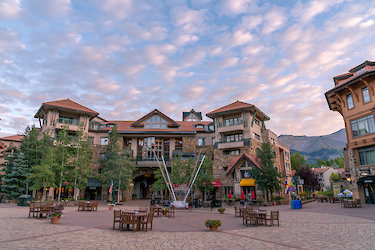
Here's exactly what's going on, what changed under Fannie Mae's LL-2026-03 (effective March 18, 2026), and what financing actually works for a Mountain Village condo purchase in 2026.
What Is Warrantability and Why Does It Matter in Mountain Village?
"Warrantable" means a condo project meets Fannie Mae and Freddie Mac's project-eligibility guidelines, which allows lenders to sell the loan on the secondary market. The vast majority of conventional loans, every FHA loan, and every VA loan require the building to be warrantable. If it isn't, those programs are off the table — not negotiable, not "we'll see at underwriting." Off the table.
Mountain Village has a disproportionate share of non-warrantable buildings because of how the resort base was built and how it's used. Five specific issues come up over and over:
1. High Investor Concentration
Historically, Fannie Mae required that at least 50% of the units in a project be owner-occupied or used as second homes — not investment or full-time rental properties. In Mountain Village, where a large percentage of units are owned for rental income and run through STR platforms or hotel-style programs, many buildings failed this test outright. As of LL-2026-03 (effective March 18, 2026), Fannie Mae retired the 50% investor-concentration threshold for established condo projects reviewed under Full Review. That helped several Mountain Village buildings that previously couldn't pass.
The catch: individual lenders can keep their own investor-concentration overlays even when Fannie's underlying rule goes away. Removal of the agency rule does not automatically mean every lender will finance a heavily investor-owned building. A specific building has to be checked against a specific lender's current overlay.
2. Hotel Rental Programs (Condotel Classification)
Some Mountain Village buildings operate formal rental programs where units are rented to guests like a hotel — front desk, daily housekeeping, central reservations, revenue pooling, the works. When a building has a hotel-style rental program managed by the HOA or a third party, it is classified as a condotel. Condotels are definitively non-warrantable. Fannie Mae, Freddie Mac, FHA, and VA will not finance them regardless of investor concentration, owner-occupancy, or anything else. LL-2026-03 does not change this. Condotel buildings require portfolio, Non-QM, or DSCR financing — full stop.
3. Single-Entity Ownership
If one person or one entity owns more than 10% of the units in a building, the project fails agency guidelines. This catches several smaller Mountain Village buildings where a developer, family trust, or holding company kept a large stake.
4. HOA Budget and Reserve Deficiencies
Fannie Mae requires condo HOAs to allocate at least 10% of their annual budget to reserves. Under LL-2026-03, that threshold rises to 15% effective January 4, 2027. Buildings that historically ran lean on reserves — common in older Mountain Village HOAs that kept dues low — fail this test. Pulling the HOA budget and confirming reserve allocation is a five-minute check that prevents a five-week problem.
5. Pending Litigation
Any active litigation against the HOA — most often construction defect suits, which are common in newer mountain developments — triggers a non-warrantable flag. Some lenders carve out exceptions for minor slip-and-fall claims; few will touch active construction defect litigation.
What Changed with Fannie Mae LL-2026-03 (March 2026)
There's a lot of confusion about this lender letter — including some agents telling buyers that "the condo rules went away." That's not what it says. Here's what it actually did and didn't do.
What changed (effective March 18, 2026):
- Retired the 50% investor-concentration limit for established condo projects under Full Review.
- Kept the 50% owner-occupancy requirement when the loan being originated is itself for an investment property.
- Set the reserve allocation minimum to rise from 10% to 15%, effective January 4, 2027.
What did not change:
- True condotels (hotel-rental-program buildings) remain non-warrantable.
- New-construction projects still have separate presale and developer-control requirements.
- Individual lenders may still apply their own overlays — a lender can decline a building over investor concentration even though Fannie's rule is gone.
- FHA and VA have their own separate condo approval processes and are not affected by LL-2026-03.
The practical meaning for Mountain Village: some buildings that previously failed Full Review on investor concentration may now be warrantable for owner-occupied and second-home purchases. But this has to be verified building by building, with a specific lender, against current overlays. There is no blanket "Mountain Village is warrantable now" answer. A broker who works this market can pull condo project review status before you go under contract — not after.
What Financing Options Actually Work for Non-Warrantable Mountain Village Condos
When a building is non-warrantable, the conventional/FHA/VA path is closed. The programs that actually fund these deals are:
Portfolio Loans
Portfolio loans are held by the originating lender rather than sold to Fannie or Freddie, so the lender sets its own guidelines. Non-warrantable condos are fine. Typical structure is 20–25% down, 700+ credit, full income documentation. Rates run slightly higher than conforming but are competitive in the jumbo space. Most retail banks don't offer portfolio products to the general public — independent brokers with wholesale lender access do.
Non-QM Loans
Non-QM (non-qualified mortgage) loans don't follow agency guidelines. They handle non-warrantable condos, and they handle borrowers with asset-depletion income, bank-statement income, P&L-only income, or other non-traditional documentation. This is the right answer when both the property and the borrower fall outside conventional parameters — common in Telluride's buyer pool, where a self-employed buyer wants a unit in a STR-heavy building. See our overview of Non-QM loans.
DSCR Loans
If the unit will be used as a rental — short-term or long-term — a DSCR loan qualifies the borrower based on the property's rental income rather than personal income. No tax returns, no W-2s, no DTI calculation. Non-warrantable condos are acceptable to most DSCR lenders. Typical structure is 25–30% down. This is the standard play for investors buying Mountain Village units as income properties.
Jumbo Portfolio
San Miguel County's 2026 conforming limit is $994,750, and the Telluride median asking price is roughly $3.175M. Most Mountain Village transactions are jumbo by default — and many jumbo lenders use portfolio guidelines that are more flexible on condo warrantability than agency conforming. A jumbo portfolio loan can sometimes finance a non-warrantable Mountain Village condo that no agency conforming loan or FHA approach could touch. See jumbo loans in Telluride for how the structure works locally.
What Doesn't Work
For non-warrantable buildings: conventional Fannie/Freddie loans, FHA loans, and VA loans. If you take a non-warrantable building to a retail bank or online lender that only originates agency-conforming products, the file will die at underwriting. Confirming what your lender can and can't do before you go under contract is the single most important step.
How to Check Warrantability Before Making an Offer
Five practical steps, in order:
- Ask the listing agent. They've seen this question before and usually know the building's financing history — including which lenders have funded recent sales.
- Request the HOA questionnaire (also called the condo project questionnaire or HOA certification). This is the document lenders use to determine warrantability. Get it before you make an offer, not after.
- Check the HOA budget for the reserve allocation. Minimum is 10% today, rising to 15% on January 4, 2027.
- Ask whether the building has a hotel rental program. If it does, assume condotel until proven otherwise.
- Work with a broker who can run a condo project review through wholesale lender channels before you're under contract.
The time to figure this out is before submitting an offer — not after going under contract with a retail lender who discovers the issue three weeks in.
Working with a Broker vs. a Retail Bank in Mountain Village
Retail banks and online lenders typically originate only agency-conforming products. When a Mountain Village condo is non-warrantable, they have nothing to offer — the deal dies at underwriting and the buyer absorbs the lost time and stress. An independent broker has access to wholesale portfolio lenders, Non-QM lenders, and DSCR lenders — the programs that actually work for these properties.
Tayton Capital is based in Telluride and closes Mountain Village transactions. We know which buildings have historically had warrantability issues, we can pull condo project status before you go under contract, and we structure the loan around the actual property — not the other way around. Start at our local Telluride mortgage broker page or read the local approach to jumbo loans in Telluride. If you're buying as a second home, see our second home financing overview.
Closing Thought
If you're considering a Mountain Village condo purchase, the most important first step is a project warrantability check paired with a conversation about which financing program fits the building. Don't let the bank discover the problem at week three. Contact us or apply now and we'll pull the building before you write the offer.
Mountain Village financing at a glance
- San Miguel County 2026 conforming limit: $994,750
- Telluride median asking price: ~$3.175M
- Fannie Mae LL-2026-03 effective: March 18, 2026
- Reserve allocation requirement rises to 15%: January 4, 2027
- Non-warrantable financing options: Portfolio, Non-QM, DSCR, Jumbo Portfolio
📧 tj@taytoncapitalllc.com
📞 970-708-9624
Get help with local guide
Talk to a licensed broker or explore the program that fits this article.
Related articles
Buying a Home in Cortez, CO in 2026 — Mesa Verde Gateway Real Estate
What buyers need to know about Cortez, Colorado real estate in 2026. Affordable prices, USDA loans, VA financing, Mesa Verde vacation rental opportunity. Tayton Capital, NMLS #2106875.
Read articleOuray, CO Real Estate & Mortgage Guide 2026 — Switzerland of America
What buyers need to know about Ouray, Colorado real estate in 2026. Median prices, second home vs. vacation rental structure, jumbo loans, and how to compete in the box canyon market.
Read articleVail, CO: Housing Market and Second Home Financing (2026)
How to finance a second home or investment property in Vail — Eagle County loan limits, jumbo requirements, DSCR options, and 2026 market conditions.
Read articleFinancing a Luxury Home or Second Home in Aspen, Colorado (2026)
Jumbo, portfolio, bank statement, and private bank financing for Aspen and Pitkin County luxury purchases in 2026 — what buyers actually need to know.
Read articleFinancing a Second Home or Vacation Rental in Steamboat Springs (2026)
How to finance a second home or short-term rental in Steamboat Springs — second home loans, DSCR loans, STR rules, and Routt County pricing.
Read articleVail, CO Mortgage Rates & Loan Programs (2026 Guide)
Mortgage rates and loan options for Vail and Eagle County buyers in 2026 — jumbo, second home, and high-balance conforming financing.
Read articleBreckenridge, CO Mortgage Rates & Loan Programs (2026 Guide)
Mortgage rates and loan programs for Breckenridge, CO buyers in 2026 — Summit County high-cost limits, jumbo, and second-home financing.
Read articleTelluride, CO Mortgage Rates & Loan Programs (2026 Guide)
Mortgage rate context and loan options for Telluride, Colorado buyers in 2026 — jumbo, super-jumbo, and second-home financing in San Miguel County.
Read article