
Cash-out refinance in Colorado — put your equity to work.
Colorado home values have appreciated significantly since 2020. If you've owned for 3+ years, you likely have meaningful equity you can access at a fixed rate.
When a Colorado cash-out refinance makes sense
Home improvements
Roof, kitchen, ADU, energy-efficient upgrades — and the appraised value usually grows with the work.
High-interest debt payoff
Consolidating credit cards or personal loans at 18–25% into a fixed mortgage rate often saves hundreds per month.
Buying an investment property
Pulling equity out of your CO primary to fund a 20–25% down payment on a rental or DSCR-financed STR.
Funding a major life event
College, medical, business capital, or a second home down payment — tax-free cash from equity you already built.
Colorado equity context
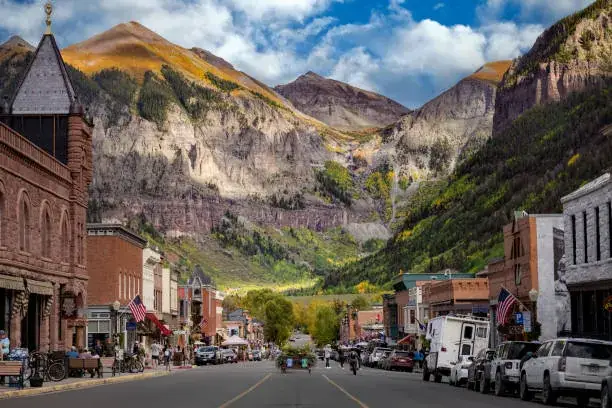
Colorado home values have appreciated roughly 50–80% since 2020 in most major markets. A Denver home bought for $450K in early 2020 is often worth $700K+ today. A Telluride or Aspen second home has typically appreciated even more. For long-tenured homeowners, a cash-out refinance is one of the most efficient ways to access that equity — usually at a meaningfully lower rate than a HELOC, credit cards, or a personal loan.
We model your cash-out side-by-side against a HELOC (so you can see the trade-off between rate, term, and what happens to your existing first mortgage) before recommending a structure.
Cash-out LTV limits
- Conventional, primary residence: up to 80% LTV
- Conventional, second home: up to 75% LTV
- Conventional, investment SFR: up to 75% LTV
- FHA cash-out: up to 80% LTV (primary only)
- VA cash-out: up to 100% LTV for eligible veterans
- DSCR investor cash-out: up to 75% LTV on qualifying rentals
Colorado cash-out refinance FAQs
How much equity do I need for a cash-out refinance in Colorado?+
Conventional cash-out caps at 80% LTV on a primary residence (75% on second homes, 75% on investment SFRs). FHA cash-out caps at 80% LTV. VA allows up to 100% LTV on cash-out for eligible veterans. So you typically need at least 20% equity remaining after the cash-out — which most CO homeowners who bought before 2022 easily have.
Does cash-out hurt my rate?+
Cash-out usually prices 0.25–0.5% above a rate-and-term refinance because of investor risk-based adjustments. We always model whether the cash-out makes financial sense — sometimes a HELOC behind your first mortgage is the better play if you only need part of the equity.
Can I do a cash-out refinance on a Colorado second home?+
Yes, up to 75% LTV on most conventional second-home cash-out programs. Mountain second-home valuations have appreciated significantly since 2020, so many CO second-home owners have substantial cashable equity.
How long does a CO cash-out refi take?+
Most cash-out refinances close in 21–35 days. There's a federal 3-day right-of-rescission on primary residence refinances, so funding happens 3 business days after closing.
Is the cash from a cash-out refinance taxable?+
No — loan proceeds aren't income. Talk to your CPA about whether the new mortgage interest is deductible based on how you use the cash (home improvements vs. debt payoff vs. investment). We're not tax advisors.
Should I do cash-out or a HELOC?+
Depends on rates, how much you need, and how long you'll keep it. Cash-out replaces your whole mortgage at one new fixed rate — good if your current rate is higher than today's market. HELOC sits behind your first mortgage at a variable rate — good if you only need a portion of your equity and want to preserve a low first-mortgage rate.
See what your Colorado equity is worth
Free cash-out scenario — we'll model the new payment, rate, and break-even.