What is a HELOC?+
A Home Equity Line of Credit is a revolving line secured by your home's equity. You're approved for a maximum credit limit, draw from it as needed during the draw period (usually 10 years), and pay interest only on what you've used. After the draw period ends, the line converts to a fully amortizing repayment period (usually 20 years).
HELOC vs. cash-out refinance — which is better for Colorado homeowners?+
A HELOC preserves your first mortgage, but that alone does not make it cheaper. Compare both loans using the same cash amount and holding period, including variable-rate changes, fees, monthly payments and remaining balances. A cash-out refinance replaces the entire first mortgage and can reset its term.
How much can I borrow against my Colorado home?+
Most lenders cap combined loan-to-value (CLTV) at 80–90%. On a $900,000 Front Range home with $400,000 owed, you could likely qualify for a HELOC of $320,000–$410,000 depending on the lender and your credit.
How are Colorado HELOC rates set?+
Most HELOCs are variable: the rate equals the Prime Rate plus a margin set by the lender. The margin depends mainly on your credit score, your combined loan-to-value, the line amount, and whether the home is a primary residence, second home, or rental. Some lenders offer an option to fix part of the balance. We don't post a single rate because the margin is priced for your scenario.
HELOC vs. home equity loan in Colorado — what's the difference?+
A HELOC is a revolving line with a variable rate: you draw what you need and pay interest only on what you've used. A home equity loan is a lump sum with a fixed rate and fixed payment from day one. A HELOC suits phased projects or uncertain costs; a home equity loan suits a single, known expense.
Can I get a HELOC on a Colorado mountain property?+
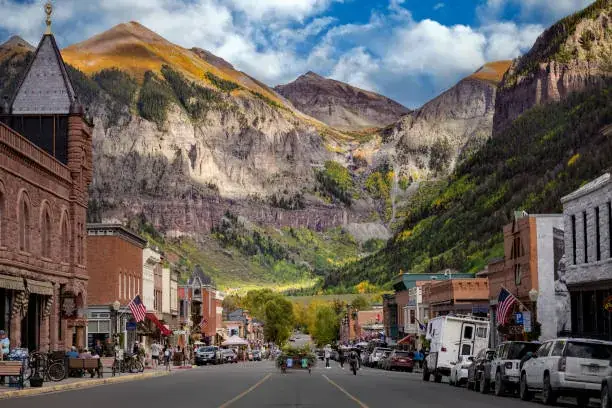
Yes — we place HELOCs on primary residences and second homes in resort markets including Telluride, Aspen, Vail, Breckenridge, Crested Butte, and Steamboat Springs. Mountain-property HELOCs may require a full interior appraisal (vs. desktop) and slightly tighter CLTV (typically 75–80%) given the higher loan amounts. Short-term-rental properties can also qualify with the right lender.
Are there Colorado-specific HELOC programs?+
There aren't state-funded HELOC programs, but we work with portfolio lenders and credit unions that specialize in Colorado real estate — including higher-balance mountain markets, condo-hotel properties, and self-employed Western Slope borrowers. We shop margins across multiple Colorado-active investors on every quote.
Can I get a HELOC on a Colorado investment property?+
Yes, though fewer lenders offer them and the rates are higher than on a primary residence. We work with portfolio lenders that do HELOCs on Colorado investment properties up to 70–75% CLTV.
How long does a HELOC take to close in Colorado?+
Most Colorado HELOCs close in 2–4 weeks — faster than a traditional refinance because underwriting is lighter and the appraisal is often a desktop valuation rather than a full interior inspection. Mountain-market files with larger loan amounts sometimes run closer to 4 weeks.