Refinancing isn't about chasing the lowest possible rate — it's about whether the new loan saves you enough to be worth the closing costs. For homeowners in Durango, Montrose, and Cortez in 2026, several refinance paths are worth a hard look. Here's how to think about each one and where they fit by market.
When Does Refinancing Make Sense?
The breakeven calculation: (closing costs) ÷ (monthly savings) = months to break even. Rule of thumb — refinancing makes sense if you break even in under 24–30 months and plan to stay in the home longer than that. Past breakeven, every month is real savings.
The Four Main Refinance Types
Rate-and-Term Refinance
Lower your rate or change your loan term. Most common when rates drop 0.5%+ from your current rate. Works on conventional, FHA, VA (via IRRRL), and USDA (streamline).
Cash-Out Refinance
Pull equity from your home as cash — debt consolidation, renovations, down payment on an investment property. Max LTV: 80% conventional, 90% FHA, 100% VA (no max LTV for eligible veterans). See our Colorado cash-out refinance page.
- Durango: Popular among homeowners who bought pre-2022 and are sitting on significant appreciation. Common use: fund a vacation rental down payment or STR renovation. See our Durango second-home & STR financing guide.
- Montrose: Used frequently for ranch improvements, equestrian facility upgrades, and debt consolidation on agricultural-adjacent properties.
- Cortez: Lower price points mean less equity to pull, but cash-out is still used for rural property improvements and debt consolidation.
VA IRRRL (Interest Rate Reduction Refinance Loan)
For existing VA loan holders — no appraisal, no income re-verification, minimal documentation. Often closes in 15–20 days. Available to veterans in all three markets. See our Southwest Colorado VA guide.
USDA Streamline Refinance
For existing USDA loan holders in eligible rural areas (most of Montezuma and Montrose County, parts of La Plata). No appraisal required on the streamline. Must lower your payment by at least $50/month.
Market-by-Market Context
Durango
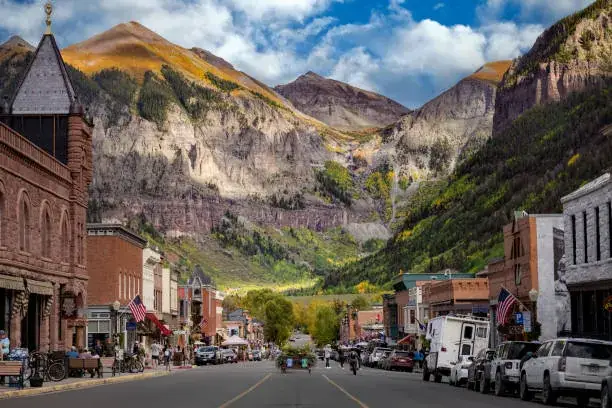
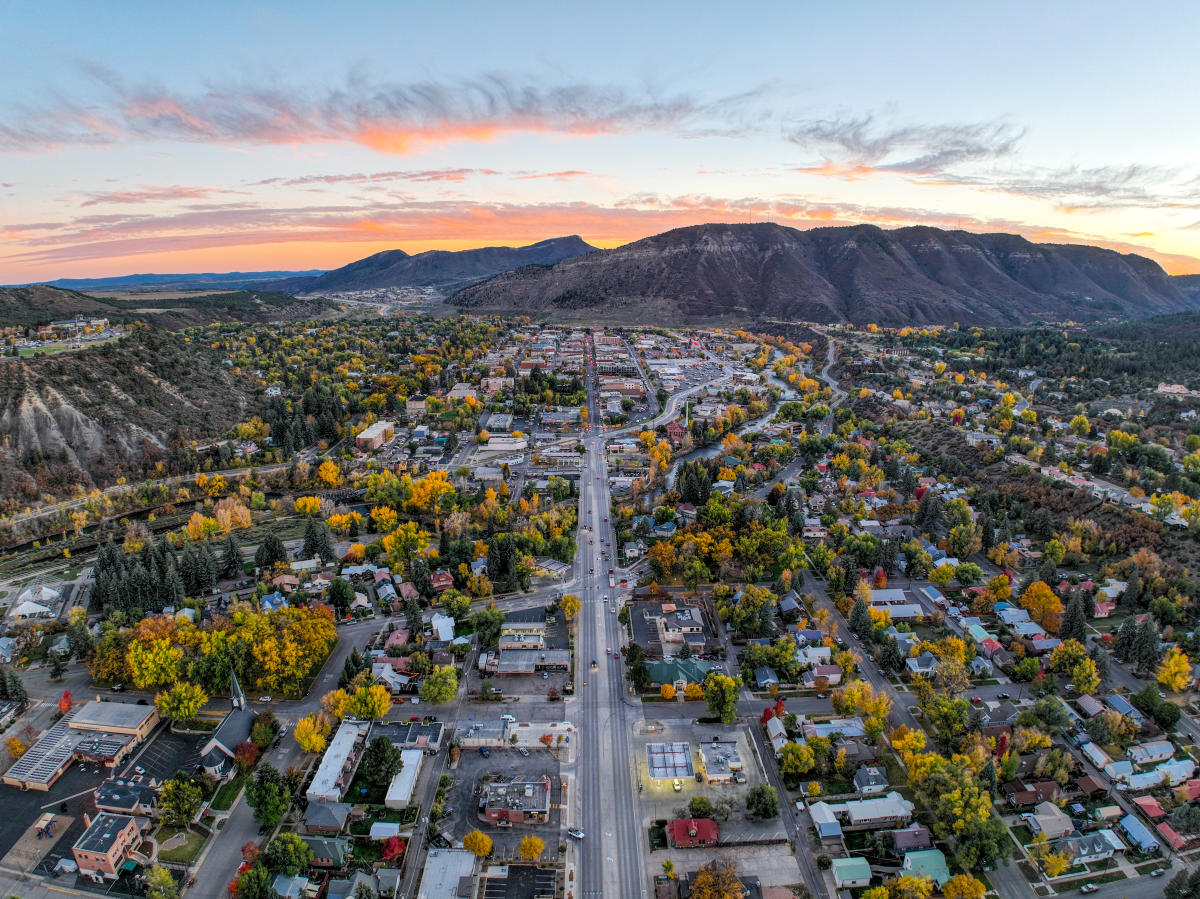
Higher price points mean larger loan balances — even a 0.5% rate drop saves $150–$300/month on a $500,000 loan. Many Durango homeowners who bought 2019–2022 are in a strong equity position and are good cash-out candidates. Jumbo refinances (above the conforming limit) are common here — Tayton Capital works with multiple wholesale jumbo lenders. More on the local market on our Durango mortgage page.
Montrose
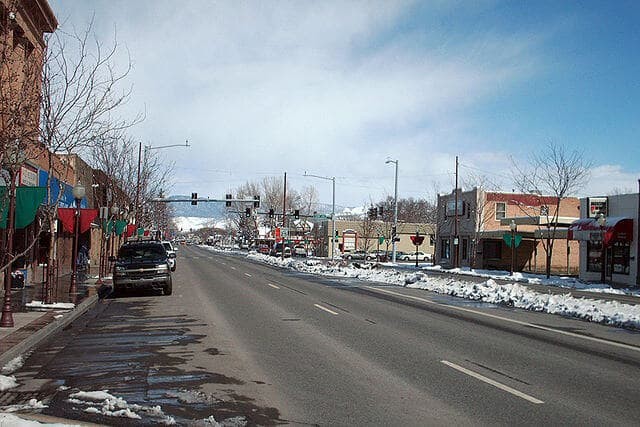
Mid-range price market with a mix of conventional and USDA loan holders. USDA streamline is relevant for buyers who used USDA to purchase in the Uncompahgre Valley and surrounding rural areas. VA IRRRL is common given the large veteran population. See the Montrose mortgage page.
Cortez
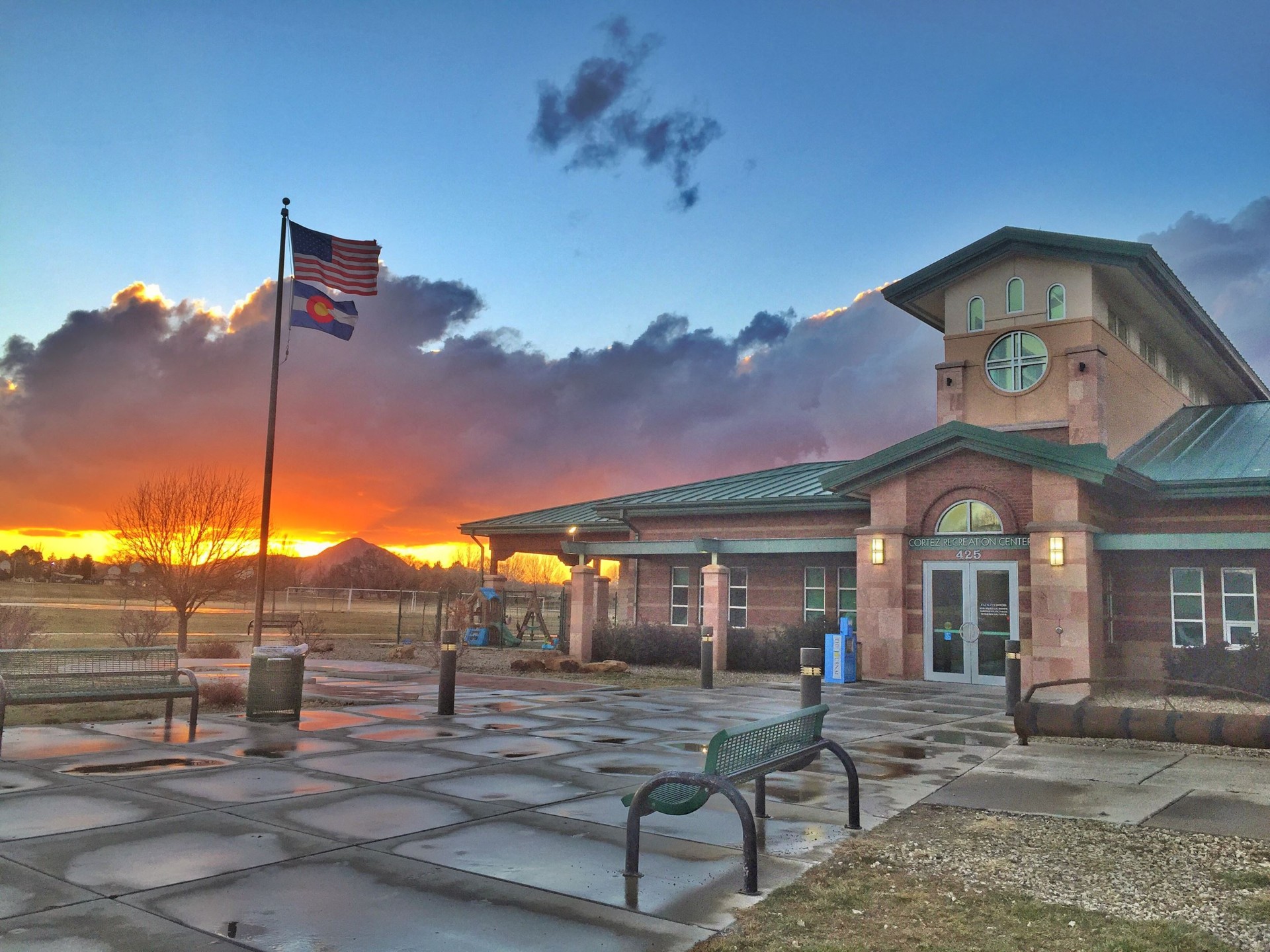
Strong USDA and VA loan presence in the existing homeowner base — streamline and IRRRL are the most common refinance transactions here. Rate-and-term makes sense when rates drop; cash-out is less common given lower price points but still available. See the Cortez mortgage page.
The 2026 Rate Environment
Rates are currently running in the 6–7% range for 30-year conventional, with FHA/VA/USDA pricing below that and jumbo competitive for strong borrowers. Even a 0.75% rate drop on a $400,000 loan saves roughly $200/month — an 18-month breakeven on typical closing costs. See our when-to-refinance guide for full examples.
FAQ
- How much does it cost to refinance in Colorado? — Typically $3,000–$6,000 in closing costs depending on loan size and lender. We can often roll costs into the loan or negotiate lender credits.
- Do I need an appraisal to refinance? — Usually yes for conventional and FHA rate-and-term and cash-out. No appraisal for VA IRRRL or USDA streamline.
- How long does refinancing take in Southwest Colorado? — 15–20 days for IRRRL/streamline, 21–30 days for conventional or cash-out.
Get a Refinance Quote
Contact Tayton Capital or request a rate quote for a side-by-side breakdown on your Southwest Colorado refinance. For VA-eligible homeowners, see our VA loan program page.
📧 tj@taytoncapitalllc.com
📞 970-708-9624
Get help with refinance
Talk to a licensed broker or explore the program that fits this article.
Frequently asked questions
How much does it cost to refinance in Colorado?
Typically $3,000–$6,000 in closing costs depending on loan size and lender. We can often roll costs into the loan or negotiate lender credits.
Do I need an appraisal to refinance?
Usually yes for conventional and FHA rate-and-term and cash-out. No appraisal for VA IRRRL or USDA streamline.
How long does refinancing take in Southwest Colorado?
15–20 days for VA IRRRL and USDA streamline, 21–30 days for conventional rate-and-term or cash-out.
How much equity can I cash out?
Up to 80% LTV on conventional, 90% on FHA, and up to 100% on VA cash-out for eligible veterans. Second homes and investment properties typically cap at 70–75%.
Related articles
Mortgage Refinancing Guide for Colorado Homeowners (2026)
When and how to refinance your mortgage in Colorado in 2026 — rate-and-term refinance, cash-out, IRRRL for veterans, break-even analysis, and the scenarios that make refinancing worth it.
Read articleCash-Out Refinance Guide for Colorado Homeowners (2026)
How Colorado homeowners tap home equity through cash-out refinancing in 2026 — when it makes sense, how much you can access, rates, and alternatives like HELOCs.
Read articleWhen Should You Refinance Your Mortgage in 2026? (Colorado Homeowner Guide)
Lower rates, cash-out equity, remove PMI, or change loan terms — when refinancing makes sense in 2026.
Read articleBuying a Home in Cortez, CO in 2026 — Mesa Verde Gateway Real Estate
What buyers need to know about Cortez, Colorado real estate in 2026. Affordable prices, USDA loans, VA financing, Mesa Verde vacation rental opportunity. Tayton Capital, NMLS #2106875.
Read articleFirst-Time Homebuyer Guide for Western Colorado in 2026
A complete guide for first-time buyers purchasing homes in Durango, Montrose, Grand Junction, Cortez, Glenwood Springs, and surrounding Western Slope communities. CHFA, FHA, VA, USDA explained. Tayton Capital, NMLS #2106875.
Read articleOuray, CO Real Estate & Mortgage Guide 2026 — Switzerland of America
What buyers need to know about Ouray, Colorado real estate in 2026. Median prices, second home vs. vacation rental structure, jumbo loans, and how to compete in the box canyon market.
Read articleMoving to Montrose, CO in 2026 — A Mortgage and Real Estate Guide
Everything you need to know about buying a home in Montrose, Colorado — median prices, neighborhoods, loan types, and why the Western Slope's most affordable major market is attracting buyers from across Colorado.
Read articleUSDA Loans in Western Colorado — Zero Down for Rural Buyers in 2026
How USDA Rural Development loans work for buyers in rural Western Colorado — Montezuma County, Delta County, Archuleta County, La Plata County, and more. Zero down, no PMI.
Read article